Landscape Gardening in Ratcliff: Creating Beautiful, Practical Outdoor Spaces That Thrive
Why Landscape Gardening in Ratcliff Matters for Local Homes and Businesses
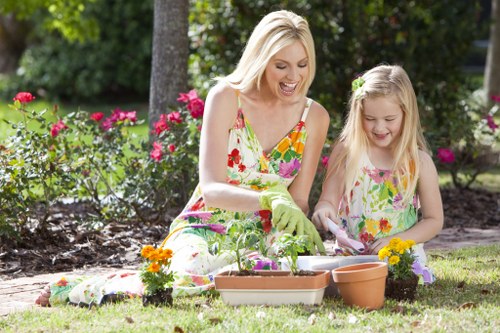
Landscape gardening in Ratcliff is more than placing plants in the ground and hoping for the best. It is the art of shaping outdoor spaces so they look attractive, function well, and suit the local environment. In a busy and growing area like Ratcliff, a thoughtfully designed garden can transform a small courtyard, a family backyard, or a commercial frontage into a space that feels welcoming and valuable.
Many property owners are now looking for outdoor areas that do more than simply look neat. They want gardens that support relaxation, outdoor dining, biodiversity, privacy, and year-round visual appeal. That is where landscape gardening in Ratcliff stands out. With the right planting choices, layout planning, and maintenance approach, an outdoor space can become one of the most enjoyable parts of a property.
Local conditions matter too. Soil quality, sunlight, drainage, wind exposure, and seasonal weather all influence how a garden performs. A successful Ratcliff garden should be designed with these factors in mind, ensuring it remains healthy and attractive over time. Whether the aim is a modern low-maintenance garden or a lush traditional layout, proper planning is essential.
Understanding the Local Character of Ratcliff Gardens
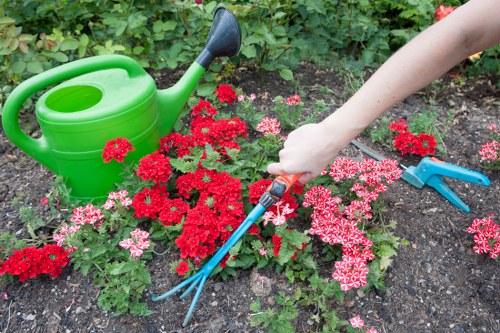
One of the first steps in landscape gardening in Ratcliff is understanding the local character of the area. Gardens in this setting often need to balance urban practicality with natural beauty. Space can be limited, so every planting bed, pathway, and seating area has to earn its place.
Ratcliff properties may face common challenges such as compacted soil, shaded boundaries from neighbouring buildings, and exposure to polluted air or strong winds in more open spots. These factors make it important to choose resilient plants and hard landscaping materials that will hold up well through the seasons.
At the same time, local gardens can benefit from a wide range of styles. Some homeowners prefer a crisp contemporary look with structured planting and clean lines, while others want a softer, more traditional feel with layered greenery and seasonal flowers. Landscape gardening in Ratcliff works best when the design reflects the architecture of the property and the lifestyle of the people using it.
Key local design priorities
- Efficient use of space in smaller gardens
- Plants suited to urban and mixed weather conditions
- Drainage solutions for wet or uneven ground
- Privacy planting for overlooked gardens
- Low-maintenance materials and planting schemes
Planning a Landscape Garden That Works

Good garden design starts with a plan. Before planting anything, it helps to assess the site carefully. This includes measuring the space, checking how sunlight moves across it, and identifying areas that stay wet, dry, shaded, or exposed. A well-planned landscape gardening in Ratcliff project can avoid costly mistakes later and create a garden that feels balanced from the start.
Function should come before decoration. Ask what the space needs to do. Should it be a place for children to play, an area for entertaining guests, a peaceful retreat, or a smart frontage that improves kerb appeal? Once the purpose is clear, the layout can be shaped around it.
Hard landscaping and soft landscaping should work together. Patios, paths, walls, steps, and edging provide structure, while planting softens the edges and adds seasonal interest. When both are designed as part of one system, the result is more polished, practical, and visually cohesive.
Common planning steps
- Survey the garden and note site conditions
- Define the main purpose of the space
- Choose a style that suits the property
- Select materials and plants that match local conditions
- Plan for maintenance, access, and long-term growth
Plant Selection for Ratcliff’s Urban and Coastal Influences
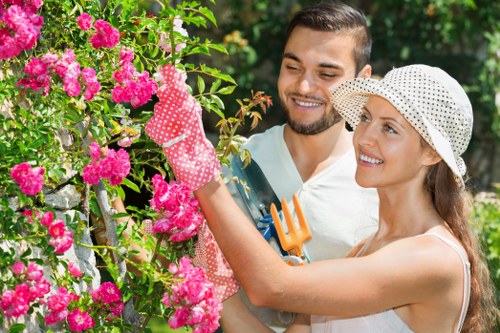
Plant choice is central to successful landscape gardening in Ratcliff. The wrong plants may struggle with shade, wind, or dry spells, while the right ones can flourish with relatively little effort. In many Ratcliff gardens, the best approach is to combine hardy perennials, evergreen shrubs, ornamental grasses, and seasonal flowering plants.
Evergreen planting is especially valuable because it keeps the garden looking full throughout the year. Box alternatives, yew, laurel, viburnum, photinia, and choisya can all bring structure and colour. For softer seasonal interest, lavender, salvia, hardy geraniums, alliums, and hellebores can add texture and charm. These choices create a garden that looks lively even when flowers are not in peak bloom.
Where space is limited, vertical planting can be a smart solution. Climbing plants, green walls, and trellis-trained shrubs make the most of narrow spaces without crowding the ground level. This is particularly useful in landscape gardening in Ratcliff, where many gardens benefit from layered planting that adds height without taking up too much room.
Useful planting strategies
- Mix evergreen structure with seasonal colour
- Use drought-tolerant plants in sunny areas
- Choose shade-loving plants for north-facing spaces
- Incorporate pollinator-friendly flowers for wildlife
- Group plants with similar watering needs together
Hard Landscaping Features That Add Style and Function
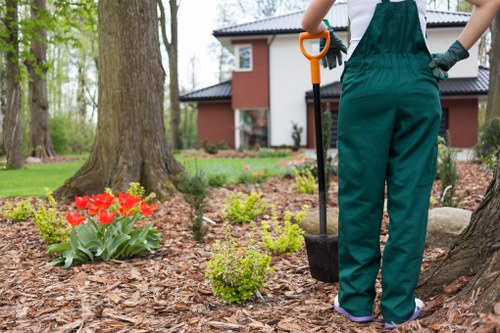
Hard landscaping provides the framework for the whole garden. In landscape gardening in Ratcliff, features such as paving, decking, fences, retaining walls, and raised beds can make a huge difference to how the space is used and enjoyed. These elements are not only practical; they also shape the mood and style of the garden.
A well-designed patio can become an outdoor dining area, while a set of carefully placed stepping stones can improve access through a narrow garden. Raised beds can help define zones, improve planting conditions, and add visual depth. Fencing or trellising can increase privacy and make a garden feel more enclosed and peaceful.
Material choice matters as much as layout. Natural stone creates a timeless look, porcelain paving offers a sleek modern finish, and timber can bring warmth and softness to the design. When selecting materials for landscape gardening in Ratcliff, it is worth considering both appearance and durability. Surfaces should resist wear, remain safe in wet weather, and suit the architecture of the property.
Popular hard landscaping additions
- Patios for seating and entertaining
- Pathways for safe, simple movement
- Raised planters for structure and accessibility
- Retaining walls for sloped sites
- Decking for relaxed social areas
- Decorative gravel for drainage and texture
Improving Drainage and Soil Health
Drainage is often overlooked, yet it is one of the most important elements of landscape gardening in Ratcliff. Poor drainage can lead to waterlogged soil, unhealthy roots, slippery surfaces, and long-term damage to paving or planting beds. Solving these issues early can save time and money while improving the overall success of the garden.
In some cases, the solution may involve simple steps such as adding organic matter to improve soil structure or installing gravel channels to direct water away from problem areas. In more challenging gardens, drainage mats, soakaways, or regraded surfaces may be needed. A good design should always consider how water moves across the site during heavy rain.
Healthy soil is equally important. Adding compost, leaf mould, or well-rotted manure can improve fertility and moisture retention. Mulching plant beds helps reduce evaporation, suppress weeds, and keep roots cooler in summer. These small improvements support stronger, more resilient planting in every landscape gardening in Ratcliff project.
Practical soil and drainage tips
- Test the soil before planting
- Break up compacted ground where needed
- Add organic matter to improve structure
- Use permeable paving where possible
- Direct rainwater to soakaway zones or planting beds
Creating Year-Round Interest
A strong garden design should look appealing in every season, not just in spring and summer. That is why landscape gardening in Ratcliff often combines evergreen shrubs, winter-flowering plants, ornamental bark, textured grasses, and carefully placed hard landscaping details. Year-round interest makes the garden feel alive even when temperatures drop.
Spring bulbs such as daffodils, tulips, and alliums can provide an early burst of colour. In summer, roses, hydrangeas, and herbaceous borders add richness and movement. Autumn brings warm tones through plants like sedum and ornamental grasses, while winter interest can come from bright stems, berries, and sculptural evergreen shapes.
Lighting also contributes to year-round enjoyment. Subtle path lights, uplighting for feature trees, or wall-mounted fixtures can keep the garden usable after dark and highlight key design features. In landscape gardening in Ratcliff, thoughtful lighting can make an outdoor area feel larger, safer, and more inviting.
Low-Maintenance Landscape Gardening for Busy Lifestyles
Not everyone wants to spend hours each weekend maintaining a garden. For many property owners, low-maintenance landscape gardening in Ratcliff is the most practical choice. The aim is not to eliminate maintenance altogether, but to reduce it through smart design and plant selection.
Low-maintenance gardens often rely on durable materials, simple planting schemes, and efficient layouts. Large lawn areas may be reduced or replaced with gravel, paving, or planted borders. Shrubs and perennials that do not need frequent pruning can save time, while mulched beds and weed-control membranes can lessen ongoing work.
That said, low-maintenance does not have to mean boring. A garden can still feel rich and layered with the right combination of form, texture, and colour. The best landscape gardening in Ratcliff projects often balance ease of care with strong visual impact, delivering a polished outdoor space without overwhelming upkeep.
Features that reduce maintenance
- Evergreen planting for all-year structure
- Permeable paving and gravel for easy drainage
- Automatic irrigation for consistent watering
- Mulched planting beds to reduce weeds
- Robust materials that resist weathering
Small Garden Solutions for Ratcliff Properties
Many Ratcliff gardens are compact, but small spaces can still be highly functional and beautiful. In fact, landscape gardening in Ratcliff often shines in smaller plots because every detail can be carefully considered. The key is to make the space feel open, efficient, and visually connected.
Mirrors, pale paving, layered planting, and slimline furniture can help a garden feel larger. Vertical planting and wall-trained climbers make use of height, while built-in seating can save space. A well-placed focal point, such as a small tree, water feature, or sculpture, can give the eye somewhere to rest and make the area feel intentional.
Simple geometry works well in tight spaces. Clean lines and repeated materials can reduce clutter and create a sense of order. In landscape gardening in Ratcliff, a small garden should never feel like an afterthought. With a strong layout, it can become one of the most attractive spaces on the property.
Ideas for compact outdoor spaces
- Use raised beds to define edges
- Install vertical planting on fences or walls
- Choose compact shrubs instead of bulky plants
- Keep the palette of materials limited and consistent
- Add multi-use furniture for seating and storage
Eco-Friendly and Wildlife-Friendly Gardening Choices
Modern landscape gardening in Ratcliff increasingly includes sustainable and wildlife-friendly features. These choices support local biodiversity while creating gardens that are healthier and more resilient. Even a modest outdoor space can provide food, shelter, and movement corridors for insects, birds, and small animals.
Pollinator-friendly planting is an excellent starting point. Flowers rich in nectar and pollen can support bees and butterflies across the seasons. Native shrubs and trees often provide berries, nesting cover, and natural habitat. Water features, log piles, and dense planting zones can also help wildlife thrive in urban environments.
Sustainability can extend to materials and maintenance too. Reclaimed stone, recycled aggregates, and responsibly sourced timber are all useful options. Rainwater harvesting, drought-tolerant planting, and reduced chemical use are smart choices that fit well within landscape gardening in Ratcliff. These methods help create outdoor spaces that are both beautiful and responsible.
Outdoor Living Spaces and Garden Usability
Gardens are increasingly seen as an extension of the home or workplace. In landscape gardening in Ratcliff, that often means designing spaces that support outdoor living. A garden can include dining areas, lounge zones, play spaces, cooking areas, or quiet corners for reading and rest.
Seating should be positioned thoughtfully to capture sun, shade, or views depending on the time of day and season. Pergolas, screens, and planting can help define different zones without making the garden feel closed in. Outdoor kitchens, built-in benches, and fire pits may also be worth considering where space allows.
The most successful outdoor living spaces feel natural and easy to use. A garden should flow well from indoors to outdoors, with doors, paths, and planting all working together. Landscape gardening in Ratcliff becomes especially valuable when it improves everyday life, not just visual appearance.
Ways to improve garden usability
- Create distinct zones for dining and relaxation
- Use lighting to extend evening use
- Install durable, slip-resistant surfaces
- Provide storage for tools and cushions
- Ensure easy access between key areas
Professional Expertise and Long-Term Value
While some gardens can be improved with simple DIY work, professional input often makes a significant difference. Skilled landscape gardening in Ratcliff combines design knowledge, plant expertise, and practical installation experience. This helps avoid layout problems, inappropriate planting, and drainage issues that can be expensive to correct later.
A professional approach also considers long-term value. Well-executed landscaping can improve kerb appeal, support property presentation, and create a more enjoyable environment for daily use. For commercial sites, this can contribute to a stronger first impression. For homes, it can make outdoor life more relaxing and rewarding.
Just as important, expert planning allows the garden to mature gracefully. Plants are spaced correctly, materials are chosen for longevity, and the layout is designed to perform over time. That is the real strength of landscape gardening in Ratcliff: it creates outdoor spaces that continue to improve with age instead of needing constant correction.
How to Start Your Ratcliff Landscaping Project
If you are thinking about improving your outdoor space, the best first step is to define your goals clearly. Are you seeking a peaceful retreat, a family-friendly garden, a productive planting area, or a stylish entertaining space? Once the purpose is clear, the rest of the design decisions become much easier.
Next, assess what already exists. Look at the soil, light, drainage, boundaries, and any features you want to keep or replace. A successful landscape gardening in Ratcliff project grows from a clear understanding of the site and its limitations. From there, you can decide on materials, planting, and layout in a way that makes sense.
Whether you are planning a full redesign or a series of smaller improvements, the important thing is to move forward with a clear vision. Start with structure, then add planting, finishing details, and maintenance planning. If you want your garden to be attractive, durable, and enjoyable for years to come, book your service now and take the first step toward a better outdoor space.
Simple next steps
- Review how you want to use the garden
- Identify problem areas and opportunities
- Choose a design style that suits the property
- Select suitable plants and materials
- Put the plan into action with confidence
Contact us today to begin planning a garden that fits Ratcliff living perfectly and brings lasting value to your property.