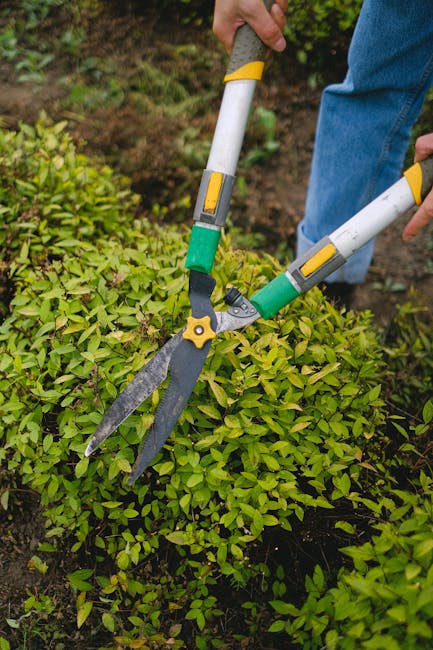
Local Ratcliff garden maintenance near Limehouse station: a practical guide for tidy, healthy outdoor spaces
If you are searching for Local Ratcliff garden maintenance near Limehouse station, you are probably after something simple: a garden that looks cared for without adding another job to your week. That might mean regular mowing, hedge trimming, weed control, seasonal tidy-ups, or help bringing an overgrown space back under control. In a busy part of East London, with compact plots, shaded corners, and the occasional wind tunnel effect around nearby streets, the right maintenance routine can make a huge difference. It is not just about appearance. It is about keeping a garden usable, safe, and easy to enjoy.
This guide breaks down what local garden maintenance typically includes, how a good service works, what to look out for, and how to decide which tasks are worth outsourcing. You will also find practical tips, a comparison table, a checklist, and a few honest real-world observations from the kind of gardens that often need a steady hand near Limehouse station.
Why Local Ratcliff garden maintenance near Limehouse station Matters
Local garden care is different from a one-off tidy in a suburban back garden. Around Ratcliff and Limehouse station, many outdoor spaces are smaller, more exposed, and more intensively used. A courtyard that gets shade from adjoining buildings in the morning can suddenly get baked in the afternoon. A front garden can become a leaf trap. A shared side return may collect litter, moss, and weeds quicker than you expect. If you leave it for too long, everything starts to look a bit tired. Then the maintenance job becomes heavier, slower, and more expensive to sort out.
That is the real reason local maintenance matters: it stops small issues turning into bigger ones. A few missed cuts on a hedge can become a serious reshaping job. A lawn left too long may thin out. Dead leaves left in damp corners can encourage slippage and pests. Truth be told, it is often the boring little jobs that protect the whole garden.
There is also a lifestyle side to it. A clean outdoor area gives you somewhere to sit for ten minutes with tea, let children play safely, or open the door without feeling embarrassed by the state of the place. That sounds simple, but it matters. Especially in a dense urban setting where every square metre counts.
For gardens with more complex planting, maintenance becomes a form of preservation. If you want to keep evergreen structure through winter, encourage herbs to keep producing, or protect a privacy screen, you need a routine rather than random effort. A useful starting point is the broader garden maintenance service, which sits naturally alongside lawn care, hedge management, and planting support.
How Local Ratcliff garden maintenance near Limehouse station Works
A sensible maintenance service starts with a site check. Not a grand event, just a proper look around. What is growing well? What is getting out of hand? Where is the soil poor, the drainage slow, or the shade too deep? A good gardener will usually notice the practical stuff first. The door that opens onto a path, the awkward corner behind a shed, the hedge that shades the border, the lawn that has patchy wear near the seating area. These details shape the work plan.
From there, the work is usually broken into regular and occasional tasks. Regular tasks tend to include mowing, edging, weeding, pruning, sweeping, and deadheading. Occasional tasks might be mulching, seasonal cutting back, soil improvement, pressure washing, or edging repairs. The rhythm matters. Some gardens need weekly attention in spring and summer, then lighter visits in winter. Others only need fortnightly or monthly care once the structure is under control.
In practice, a local maintenance visit often follows this pattern:
- Review the garden and confirm priorities.
- Clear obvious waste, leaves, and debris.
- Cut grass, trim edges, and shape growth where needed.
- Weed borders, paths, and hard-to-reach areas.
- Check for plant stress, pests, or signs of disease.
- Finish by tidying surfaces and removing waste responsibly.
That final step is easy to underestimate. A garden can be technically "done" but still feel messy if clippings are left behind. Good maintenance should finish clean. No pile of cuttings, no muddy footprints, no stray bits caught on the patio edges. Small detail, big effect.
Depending on what your space needs, the work may also extend into related services such as lawn mowing, lawn care, or hedge trimming in Ratcliff. If the garden has hard landscaping or outdoor timber elements, it may make sense to look at patio cleaning or decking services at the same time. One visit, a few improvements. That is often the tidy way to do it.
Key Benefits and Practical Advantages
There are the obvious benefits, and then there are the ones people notice after a few months. The obvious ones are easier to see: a neat lawn, healthy borders, better kerb appeal, less overgrowth. But the longer-term gains are often more valuable.
- Time back in your week: you are not spending Saturday morning chasing weeds or wrestling hedge trimmings into a bag that is too small. Been there, not fun.
- Better plant health: regular pruning, feeding, and weeding keeps stress down and growth more balanced.
- Safer access: tidy paths, manageable growth, and reduced moss can help lower slip and trip risks.
- More consistent results: gardens stay in shape instead of swinging from neat to neglected.
- Improved use of space: a compact Ratcliff garden can feel much larger when it is properly structured.
- Less expensive recovery work: regular attention usually prevents the heavy reset jobs that cost more later.
There is also an emotional benefit. A well-kept garden tends to invite use. You are more likely to sit outside, grow herbs, keep a few containers going, or simply open the back door and feel glad rather than guilty. That counts, more than people think.
If your outdoor space is mainly decorative, maintenance preserves its shape. If it is functional, maintenance keeps it usable. If it is a mix of the two, maintenance helps it do both without turning into a chore. Simple as that.
Who This Is For and When It Makes Sense
Local garden maintenance near Limehouse station makes sense for a wide range of people. It is not just for large homes or very formal gardens. In fact, smaller urban spaces often benefit the most because they show neglect quickly.
- Busy professionals who want a presentable garden without giving up weekends.
- Landlords and letting agents who need outdoor areas to stay presentable between tenancies.
- Homeowners with compact gardens that need regular but light-touch upkeep.
- Families who want safer, tidier spaces for children and pets.
- Older residents who prefer not to lift, bend, or deal with heavy waste clearing.
- People returning a neglected garden to order after a long period of no maintenance.
It also makes sense at different stages of the year. In spring, things grow quickly and beds need momentum. In summer, lawns, watering routines, and deadheading become important. In autumn, leaves and cutbacks take over. In winter, structure, drainage, and weather protection matter more. The work changes, but it never really stops. Gardens are like that.
If you are unsure whether you need ongoing care or a one-off reset, a good rule is this: if your garden looks acceptable only when you personally put in a lot of effort, regular maintenance will probably save you time and stress.
Step-by-Step Guidance
Here is a practical way to think about setting up local garden maintenance without overcomplicating it.
- Walk the space properly. Look at what is growing, what is bare, what is blocked, and what feels awkward to use. Check both the sunny and shaded spots. The shady bits usually tell their own story.
- Separate the garden into zones. Lawn, borders, path, containers, hedge line, seating area, side return. Each zone has its own needs, and treating them all the same rarely works.
- Identify the recurring jobs. These are the tasks that keep coming back: mowing, edging, weeding, leaf clearing, pruning, and plant checks.
- Mark the seasonal work. This includes cutting back, feeding, mulching, soil improvement, and any weather-related protection.
- Decide what you want to keep in-house. Maybe you enjoy watering and container care but dislike hedge cutting. Fair enough. Hand off the annoying bits.
- Choose a maintenance rhythm. Weekly, fortnightly, monthly, or seasonal depends on growth rate, garden size, and use.
- Review after the first few visits. This is where the plan gets refined. If the lawn is growing too fast, or the borders are full of stubborn weeds, the routine should adapt.
A useful practical note: do not wait for the whole garden to look bad before booking help. Once a space slips too far, every task takes longer. Preventive care is less dramatic, but much smarter.
Expert Tips for Better Results
In our experience, the best gardens near Limehouse are rarely the fanciest ones. They are the ones with a reliable structure and a few smart choices.
Start with the bones of the garden. A tidy hedge line, level edging, and healthy lawn give the whole space more shape. Planting can always be added or refreshed later. If the framework is neglected, everything else looks weaker.
Use the right plants in the right places. Shady areas often do better with shade-tolerant planting or evergreen structure. If you have awkward vertical surfaces or a narrow boundary, you might explore ideas like evergreen climbers for darker spaces or even vertical gardening techniques where floor space is limited.
Do not ignore wind exposure. In built-up London streets, gusts can bounce between buildings and batter containers or top-heavy shrubs. A sensible maintenance plan may include staking, selective pruning, and keeping vulnerable plants sheltered. For a deeper look at this, see preparing your garden for strong gusts.
Keep soil alive. Good maintenance is not only surface-deep. Healthy soil supports healthier growth. Compost, mulch, and careful feeding matter. If your borders look dull year after year, soil improvement may be the missing piece. This is especially true in compact urban plots where soil can be tired or compacted.
Plan for weather swings. London weather can be a bit dramatic. One week you are dealing with heavy rain, the next with sudden dryness. A sensible maintenance approach is to build resilience, not perfection. The article on garden resilience against aggressive weather is a useful companion here, especially if your space gets battered by rain or heat.
Use containers wisely. Container planting can rescue awkward corners and soften paving, but it also needs regular watering and feeding. If you prefer flexible planting, the company's guide to container gardening is worth a look.
And one more thing: do not try to do every task at once. That's how people spend an entire Sunday, get cross with the hedge, and then ignore the garden for three weeks. Better to do less, consistently.
Common Mistakes to Avoid
Garden maintenance mistakes are usually not dramatic. They are usually small habits that quietly create bigger problems.
- Cutting too much at once: especially with hedges and shrubs. Hard pruning without a plan can stress plants and leave them looking bare.
- Ignoring the edges: a tidy lawn with ragged borders still looks unfinished.
- Weeding only the obvious areas: weeds often start in corners, cracks, and behind bins or planters.
- Using the wrong tool for the job: blunt shears, a poor mower setting, or the wrong feed can undo good work quickly. The article on useful garden tools is a helpful reminder that tools matter more than people admit.
- Leaving waste behind: damp clippings, fallen leaves, and dead stems can attract mould or pests.
- Forgetting hard surfaces: patios and decking often need attention too, otherwise the whole outdoor area feels half-finished.
- Assuming all gardens need the same schedule: a shady courtyard and a sunny family garden will not behave the same way.
One slightly annoying truth: a lot of garden problems are self-inflicted by waiting too long. If a hedge has already started blocking light, or the lawn is matted with leaves, the fix is still possible, just more work than it needed to be. Not the end of the world, just avoidable.
Tools, Resources and Recommendations
If you are maintaining a garden yourself, or working alongside a gardener, a few simple tools make life easier.
- Sharp hand shears and loppers for clean cuts on small branches and shrubs.
- A reliable mower suited to your lawn size.
- Stiff broom and leaf rake for patios, paths, and seasonal debris.
- Weed removal tools for cracks, edging, and beds.
- Gloves and sturdy footwear for comfort and safety.
- Watering can or hose setup for container plants and dry spells.
- Compost or mulch to support soil health and moisture retention.
For people trying to keep maintenance manageable on a budget, the article low-cost, no-fuss garden ideas has a few practical pointers. If the garden has a food-growing element, the guide to building an impressive herb garden can help you keep useful plants productive without making the space feel cluttered.
If you prefer low-maintenance planting, ground cover can reduce weed pressure and fill gaps that would otherwise need constant attention. Two useful references are ground cover plants to consider and more ground cover ideas for UK gardens.
And for border privacy, especially in overlooked urban spaces, some homeowners like to combine maintenance with screening. If that sounds like you, have a look at swift hedges for privacy. Quietly useful, that one.
Law, Compliance, Standards, or Best Practice
For ordinary domestic garden maintenance, there is usually no heavy compliance burden. Even so, a few UK best-practice points are worth keeping in mind, especially in shared, rented, or higher-risk settings.
Waste handling: garden waste should be disposed of responsibly. If you are using a maintenance service, it is sensible to ask how clippings, branches, and green waste are dealt with. You do not want cuttings dumped casually or left to rot in a corner.
Safety: any work involving ladders, power tools, sharp blades, or tree work should be approached with proper care. It is wise to check that the provider follows clear safety procedures. For a closer look at how a responsible business approaches this, see the pages on insurance and safety and the health and safety policy.
Property boundaries and shared spaces: if growth overhangs a neighbour's space or touches communal areas, it is better to deal with it early and politely. Most garden disputes begin with a hedge and a delay. A calm conversation helps a lot.
Privacy and documentation: if you are booking work through a contractor, you should expect clear information on terms, payment, and complaints handling. That is just good practice. Useful pages to review include terms and conditions, payment and security, complaints procedure, and privacy policy.
Accessibility: if you or someone in the household has mobility limits, choose maintenance methods that reduce lifting, bending, and awkward access. That might mean raised planters, simpler planting schemes, or a more regular service schedule. The accessibility statement can also be useful if you are assessing service usability online.
None of this is meant to sound heavy-handed. It is just the sensible backdrop to a well-run garden service. Most of the time, the job should feel straightforward and reassuring, not complicated.
Options, Methods, or Comparison Table
Different gardens need different levels of attention. Here is a simple way to compare common approaches.
| Approach | Best for | Pros | Trade-offs |
|---|---|---|---|
| DIY maintenance | Small gardens, confident owners, low growth | Flexible, lower direct cost, complete control | Takes time, easy to delay, tools and waste handling are your responsibility |
| One-off tidy-up | Overgrown gardens, end-of-tenancy clean-ups, seasonal resets | Fast transformation, good for visible improvement | Does not prevent the garden slipping again |
| Regular maintenance visits | Busy households, rental properties, active gardens | Consistency, better plant health, less stress | Needs an ongoing budget and a reliable schedule |
| Combined service plan | Gardens with lawn, hedges, hard landscaping, or structural needs | Efficient, joined-up, usually better long-term results | Requires clearer planning from the start |
For many local homes, the combined approach is the sweet spot. You keep the garden maintained regularly, but you also schedule occasional deeper work, such as hedge reshaping, patio cleaning, or minor landscaping. The service pages for gardening services, landscaping, and tree surgery are relevant if the garden has bigger structural or arboricultural needs.
Case Study or Real-World Example
Picture a small Ratcliff rear garden near Limehouse station: a narrow lawn, a hedge along the back fence, a few containers by the kitchen door, and a paved area that gets slippery after wet weather. Nothing unusual. Just a space that has slowly got ahead of its owner over spring and early summer.
The first visit focuses on recovery. The lawn is cut, edges are reset, weeds are removed from the cracks, and the hedge is lightly shaped rather than hacked back. The containers are grouped so they look deliberate instead of scattered. A few weak plants are replaced or moved into better light. The patio is swept and cleaned so it stops feeling grey and sticky underfoot.
On the next visit, the focus shifts to maintenance rather than rescue. The lawn stays at a manageable length. The hedge keeps its shape. The beds do not fill up with weeds. The space starts to feel easy again. That is the real win. Not just a nice-looking garden for one day, but a garden that stays pleasant with ordinary effort.
We have seen this kind of turnaround many times. And to be fair, the change is often more noticeable than people expect. Once the clutter goes, the garden suddenly seems bigger. A bit brighter too.
If the garden includes seating, you may want to add a little comfort and atmosphere once the maintenance is under control. The ideas in creating enchanting garden seating areas and zen garden ideas can help turn a tidy space into one you actually use.
Practical Checklist
Use this checklist before booking or arranging Local Ratcliff garden maintenance near Limehouse station.
- Walk the whole garden in daylight and note problem areas.
- List the jobs you want done every visit.
- Decide which seasonal tasks you may need later in the year.
- Check whether the lawn needs mowing, feeding, or a full recovery approach.
- Look at hedges, shrubs, and climbers for overgrowth or light-blocking issues.
- Inspect patios, paths, decking, and steps for moss, algae, or buildup.
- Think about children, pets, or accessibility needs.
- Choose whether you want a one-off tidy, regular visits, or a mixed plan.
- Review safety, insurance, payment, and terms before work begins.
- Ask how garden waste will be removed or handled.
- Make a quick note of any plants you want preserved, reshaped, or replaced.
- Plan a follow-up date rather than waiting for the garden to decline again.
If you want to improve a family garden at the same time, there are practical ideas in safe and stimulating garden ideas for kids and gardening tips for dog lovers. Both are useful if your outdoor space has to work hard.
Get a free quote today and see how much you can save.
Conclusion
Local Ratcliff garden maintenance near Limehouse station is really about keeping life simple. It keeps gardens tidy, healthy, and ready to use without turning every season into a fresh battle. Whether you are trying to rescue an overgrown space, keep a compact courtyard neat, or maintain a garden that should just be easier to live with, a regular plan is usually the smartest route.
The best results come from steady care, realistic expectations, and a service that understands local conditions: shade, wind, tight access, mixed surfaces, and the need for practical, no-nonsense upkeep. Do that well, and the garden starts working for you instead of against you. Which, let's face it, is the whole point.
A well-kept garden has a quiet kind of goodness to it. You notice it when you step outside, and again when you come home. That feeling is worth looking after.
Frequently Asked Questions
What does local garden maintenance usually include?
It usually includes mowing, edging, weeding, hedge trimming, pruning, leaf clearing, and general tidying. Some services also cover patio cleaning, planting care, and seasonal cutbacks.
How often should a garden near Limehouse station be maintained?
That depends on size, planting, and how quickly things grow. Many gardens benefit from weekly or fortnightly attention in spring and summer, then less frequent visits in colder months.
Is one-off garden maintenance enough?
It can be enough for a reset, especially if the garden only needs a tidy-up. If growth is fast or you want consistent results, regular maintenance is usually better.
What should I ask before booking a gardener?
Ask what is included, how waste is removed, whether insurance is in place, how pricing works, and what happens if extra work is needed on the day. Clear answers save awkwardness later.
Can garden maintenance help with a small courtyard or patio garden?
Yes. Small urban gardens often benefit the most because clutter and weeds show quickly. Good maintenance can make a compact space feel lighter, neater, and easier to use.
Do I need both lawn care and general garden maintenance?
Often, yes. Lawn care focuses on the turf itself, while general maintenance covers the wider garden. The two work best together if you want the whole space to stay in shape.
How do I know if my hedge needs professional attention?
If it is blocking light, growing unevenly, becoming too high, or starting to spill into paths and boundaries, it probably needs professional trimming. Large or awkward hedges are especially worth handling carefully.
What if my garden is mostly shady?
Then plant choice and maintenance rhythm matter even more. Shade-tolerant planting, evergreen structure, and careful pruning can make a huge difference in how the garden looks and performs.
Are there any safety concerns with garden maintenance?
Yes, especially with ladders, sharp tools, slippery surfaces, and heavier cutting work. That is why clear safety procedures and proper insurance are sensible expectations for any provider.
Can maintenance improve privacy in a garden?
Absolutely. Hedges, climbers, and well-managed screening plants can improve privacy while keeping the space attractive. The key is to maintain them regularly so they do not become overgrown or patchy.
What happens if I ignore maintenance for too long?
The garden usually becomes harder to recover. Weeds spread, hedges become misshapen, lawns thin out, and hard surfaces get slippery or stained. It is fixable, but the job grows quickly.
How do I get started if the garden is already messy?
Start with a clear list of priorities: access, waste clearing, lawn work, hedge shaping, and weed control. A good first visit can make the garden manageable again, and then you can set up a maintenance routine that fits your pace.