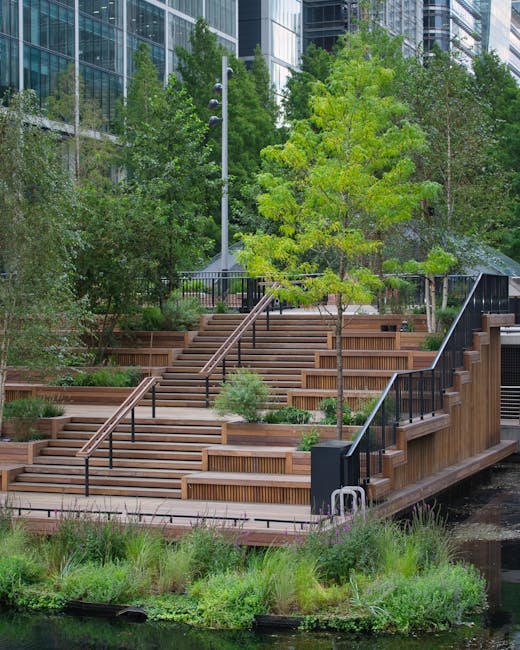
Ratcliff garden services for St Katharine Docks terraces: practical, polished care for compact waterside outdoor spaces
If you own or manage a terrace near St Katharine Docks, you already know the appeal: the light, the water, the view, the sense that outdoor space should feel like a small escape rather than another chore. That is exactly where Ratcliff garden services for St Katharine Docks terraces come in. These spaces need more than a quick tidy-up. They need careful planting, sensible maintenance, and a design approach that works with wind, shade, privacy needs, and the realities of container gardening in London.
In this guide, we'll look at what good terrace garden care actually involves, how it works in practice, and the common mistakes that can undo even a lovely layout. We'll also cover useful links between maintenance, planting choices, weather resilience, safety, and the kind of everyday upkeep that keeps a terrace looking calm rather than chaotic. To be fair, a well-kept terrace can change how a home feels the moment you step outside.
One practical note before we begin: terrace gardening is often about restraint, not excess. Less clutter. Better structure. Smarter planting. A bit of discipline goes a long way.
Why Ratcliff garden services for St Katharine Docks terraces Matters
Terraces at St Katharine Docks are not generic gardens. They tend to be elevated, exposed, visually prominent, and often shaped by narrow footprints or hard landscaping. That combination creates a very specific set of gardening challenges. A plant that looks carefree in a brochure may struggle in moving air. A beautiful pot arrangement may dry out twice as fast as expected. And a packed terrace can suddenly feel cramped if the layout hasn't been thought through.
That is why Ratcliff garden services for St Katharine Docks terraces matter so much: the work is part horticulture, part problem-solving, and part design maintenance. The aim is not simply to keep things alive. It is to make the terrace usable, attractive, and easy to live with week after week.
In a riverside or dockside setting, the details matter more than people expect. Containers need stability. Plant choices need to reflect shade, wind, and seasonal change. Hard surfaces such as paving, decking, and tiled zones can quickly collect grime, algae, or leaf litter, which changes the feel of the whole space. Even privacy planting has to be handled carefully, because on a terrace you can't just spread out in every direction. You have to work vertically, cleverly, and with some restraint.
There is also a lifestyle element. Many terrace owners want a space that feels good first thing in the morning and still looks decent by evening. They want low-fuss elegance, not a high-maintenance hobby. That is perfectly reasonable. In fact, it is usually the right brief.
How Ratcliff garden services for St Katharine Docks terraces Works
Good terrace care normally starts with a site review. Not a dramatic one, just a practical look at what the space gives you: light levels, wind exposure, access points, drainage, container depth, privacy lines, and how people actually move around the terrace. A service built around Ratcliff garden services for St Katharine Docks terraces should then shape maintenance around those conditions rather than forcing a one-size-fits-all routine.
Typically, the work falls into a few connected stages:
- Assessment and planning - identifying how much sun the terrace gets, where gusts hit hardest, and which areas feel exposed or cramped.
- Plant and container selection - choosing species that suit the space, and pots that are stable, breathable, and appropriate for the root systems involved.
- Regular maintenance - watering, feeding, deadheading, pruning, and keeping growth balanced rather than unruly.
- Surface care - cleaning patio slabs, decked areas, and pot stands so the terrace remains safe and presentable.
- Seasonal adjustments - swapping displays, protecting tender plants, and tightening up the layout before colder or windier weather.
In practical terms, a terrace is often maintained more like a curated outdoor room than a traditional border garden. You may notice this most in the morning: one day it feels open and restful; the next, if the containers are crowded or the leaves are drooping, it feels more like storage with plants. That shift is surprisingly fast.
If you're considering broader support, it often helps to connect terrace care with ongoing garden maintenance and, where the hard surfaces need attention, patio cleaning. The garden is only half the picture; the surfaces frame it.
Key Benefits and Practical Advantages
There are obvious benefits to professional terrace gardening, and then there are the quieter ones that really make a difference over time.
- Better use of limited space - every pot, bench, screen, and climber earns its place.
- More reliable planting - suitable species cope better with shade, wind, and container conditions.
- Less wasted effort - you avoid constant replacing, overwatering, or rescuing plants that were never a good fit.
- Improved privacy - especially useful on overlooked terraces or those close to neighbouring units.
- Cleaner, safer surfaces - important where wet leaves, algae, or clutter can create slip risks.
- Stronger seasonal resilience - a terrace can be prepared for winter, gusty spells, and summer dry-outs.
There is also a real emotional benefit that doesn't always get enough attention. A well-kept terrace can make a flat or riverside home feel more generous. It can give you somewhere to sit with coffee, read, or just breathe a bit before the day starts. That sounds simple. It is simple. But simple done well is powerful.
For compact spaces, structure matters too. Vertical planting, layered heights, and carefully trimmed screening can make the whole terrace feel more intentional. If privacy is part of your brief, you may also want to explore practical privacy planting ideas and evergreen climbers for year-round cover.
Who This Is For and When It Makes Sense
Not every terrace needs a big intervention. Sometimes a light seasonal tidy and a few smart plant swaps are enough. Other times, the terrace has drifted into neglect, or it never had a coherent structure to begin with. That's when specialist help makes more sense.
Ratcliff garden services for St Katharine Docks terraces are a good fit if you are:
- a homeowner who wants the terrace to feel polished without spending every weekend on upkeep;
- a landlord or property manager needing a presentable outdoor space for viewings or tenant satisfaction;
- a busy resident who likes plants but doesn't have time for constant replanting and deadheading;
- someone dealing with shade, wind, or awkward container placements;
- an owner of a terrace that looks tired, patchy, or overgrown despite regular watering.
It also makes sense when the space has mixed needs. For example: a seating area needs to remain uncluttered, a screen planting zone needs privacy, and a deck edge needs softening without becoming a maintenance headache. That balance is not always easy to find. In fairness, it's a bit of a puzzle.
If you are starting from scratch, some basics are worth revisiting first. A helpful primer is these beginner gardening tips, which cover the fundamentals without overwhelming you.
Step-by-Step Guidance
Below is a practical way to approach a terrace project, whether you are refreshing an existing setup or starting with a blank slate.
1. Begin with a clear purpose
Ask what the terrace needs to do. Relaxing space? Dining area? Privacy screen? Green backdrop? A mix of all four? If the function is unclear, the layout tends to become improvised, and improvised terraces often look busy rather than beautiful.
2. Measure light, wind, and access
Light affects plant choice. Wind affects pot stability and watering frequency. Access affects how easy maintenance will be. A terrace near open water or between tall buildings can have oddly changing conditions during the day, so don't guess. Watch it for a while if you can.
3. Choose containers with intention
Containers should suit the plant and the setting. Wider pots are often more stable. Deeper pots help roots develop properly. Materials matter too: some retain moisture better than others, which can be useful on exposed terraces where drying happens fast.
4. Build planting layers
Think in heights: low growers, middle features, and taller accents or screens. A terrace feels richer when everything isn't sitting at the same level. Vertical gardening can help here, and so can climbers, trellis elements, and raised planters. For more on that approach, see vertical gardening ideas that make the most of small spaces.
5. Put maintenance on a schedule
Terraces thrive on routine. Watering, feeding, pruning, and cleaning should all be planned around the season. A quick weekly check often prevents the bigger mess later. Honestly, the little jobs are the big jobs in disguise.
6. Refresh the terrace seasonally
Swap tired plants, tidy leggy growth, and reassess your layout as the weather changes. Seasonal refreshes keep the terrace feeling alive rather than static. That freshness is part of the charm.
Expert Tips for Better Results
The best terrace gardens usually share a few traits: they are resilient, easy to navigate, and never overcomplicated. Here are the details that tend to separate a merely nice terrace from one that feels genuinely considered.
- Use repetition wisely. Repeat one or two plant shapes or pot styles to create calm. Too much variety can make a small terrace feel restless.
- Anchor lighter planting with heavier items. On windy sites, stable containers and lower centres of gravity matter more than people expect.
- Leave a little breathing room. A crowded terrace ages fast. Space helps both the eye and the plants.
- Prioritise foliage as well as flowers. Flowers are brilliant, of course, but foliage holds a scheme together when blooms fade.
- Make cleaning easy. If pots are impossible to lift or surfaces trap debris, maintenance gets harder month by month.
One small but useful trick: choose a couple of plant groups that do not all demand the same care at the same time. Mixing types reduces the risk of everything needing attention on the same wet Tuesday afternoon, which is never ideal.
For people who like a softer, more restful terrace, the ideas in zen garden-inspired spaces can be a surprisingly good fit. You don't need a full redesign; sometimes a calmer material palette does the job.
Common Mistakes to Avoid
Most terrace problems are caused by a handful of repeat mistakes. The good news is they are fixable once you know what to watch for.
- Choosing plants for looks alone. A plant can be lovely and still be wrong for the site. Wind, shade, and dry containers are unforgiving.
- Underestimating watering needs. Pots dry quickly, especially in exposed or sunny conditions. One missed week can make a difference.
- Ignoring drainage. Terraces need water management, not waterlogging. Poor drainage leads to unhealthy roots and messy surfaces.
- Overcrowding seating and planting. If there's no room to move comfortably, the terrace stops feeling inviting.
- Neglecting hard surfaces. Grime and algae make a terrace look older than it is, and they can become slippery.
- Forgetting winter protection. Tender plants and fragile containers need preparation before the cold, not after it.
A lot of people also over-prune in one go. It happens. You look at a plant, think "I'll just tidy that," and suddenly it's a tiny stump. Usually, gentler and more regular pruning wins the day.
If weather exposure is a concern, the guidance in preparing gardens for strong gusts and building resilience against aggressive weather is especially relevant for dockside terraces.
Tools, Resources and Recommendations
Terrace work goes more smoothly when the right tools are available. You don't need a shed full of equipment, just the basics used properly.
| Tool or Resource | Why it helps | Best use on terraces |
|---|---|---|
| Lightweight secateurs | Clean pruning and deadheading | Container plants, climbers, soft-stemmed shrubs |
| Sturdy watering can or hose with controlled flow | Better watering accuracy | Regular container watering without runoff |
| Balanced slow-release feed | Steadier plant growth | Seasonal container maintenance |
| Scraper or deck brush | Removes dirt, algae, and debris | Paved or decked terrace surfaces |
| Top-dressing compost | Improves moisture retention and soil condition | Refreshing pot surfaces and tired containers |
For broader practical guidance, the site's garden tools guide is a sensible companion read, especially if you want to understand what is genuinely useful rather than simply nice to own.
If your terrace has edible herbs or seasonal planting, container know-how is helpful too. The guide on container gardening is a good fit for compact urban spaces. And if you care about soil health, cultivating nutrient-rich soil from organic matter is worth a look.
Law, Compliance, Standards, or Best Practice
For most terrace gardening jobs, the main compliance focus is not dramatic regulation; it is safe, careful working practice. That said, in London properties, there are a few sensible standards to keep in mind.
First, access matters. Terrace work often involves height, railings, awkward corners, and shared access routes. Safe handling of tools, pots, and cleaning equipment is essential. Good operators should think about slip risks, lifting technique, and keeping walkways clear while work is underway. If contractors are using ladders or working near edges, safe methods become even more important.
Second, waste handling should be tidy and responsible. Green waste, cuttings, and old compost should be removed without leaving bins overloaded or communal areas cluttered. That sounds basic, but basic is often where quality shows.
Third, materials and maintenance should fit the building setting. Some developments have house rules, estate rules, or access expectations that affect timing, noise, and disposal. It is always worth checking those ahead of time rather than fixing a misunderstanding later.
Fourth, there is the common-sense issue of plant choice near boundaries. Tall screens, climbers, and hedge-style planting should be managed so they don't block access, intrude on neighbours, or become difficult to maintain. A bit of planning prevents awkwardness. And yes, awkwardness on a terrace is always more visible than it should be.
For reassurance on working standards, you may also want to review insurance and safety information, the health and safety policy, and the terms and conditions. Those pages help set expectations clearly, which is a good thing for everyone involved.
Options, Methods, or Comparison Table
When planning a terrace, the biggest decision is often not "what plant shall I choose?" but "what style of maintenance do I actually want?" Below is a straightforward comparison that may help.
| Approach | Best for | Strengths | Trade-offs |
|---|---|---|---|
| Low-maintenance container scheme | Busy households, rental properties | Simple, tidy, easier to refresh seasonally | Less dense planting, may need more initial planning |
| Privacy-led terrace design | Overlooked or exposed spaces | Improves comfort and screening | Requires careful height management and pruning |
| Feature-led design | Statement terraces and entertaining spaces | Strong visual impact, clear focal points | Can become cluttered if not edited regularly |
| Maintenance-first refresh | Tired but usable terraces | Fast improvement without full redesign | May not solve deeper layout issues |
For many St Katharine Docks terraces, the best result is a blend: a low-maintenance base with one or two feature elements. That usually gives you the nicest balance between beauty and practicality. The garden looks considered, not fussed over. A small but important difference.
If your terrace includes fencing, screens, or timber details, it may also be worth thinking about related work such as fencing support or decking care as part of the wider outdoor space.
Case Study or Real-World Example
Here is a realistic example based on the kinds of terrace projects that come up again and again in dockside settings.
A small terrace had good views but felt awkward. The owner had a few oversized pots, a tired trellis, some patchy evergreen planting, and a seating area that was always cluttered with watering cans and spare compost bags. Nothing was wildly wrong, but nothing worked especially well either. The space looked like it was waiting for permission to become pleasant.
The fix was not dramatic. The planting was thinned out and re-grouped into a clearer structure. Wind-prone containers were replaced with more stable options. A couple of climbers were introduced to soften a blank wall and lift the eye upward. The paving was cleaned, the seating area was simplified, and the terrace was given a maintenance routine instead of occasional panic attention.
Within a short time, the space felt calmer. Not bigger, exactly, but better organised. That matters. People often think a terrace needs more plants, yet the real win is usually better rhythm. Light here. Green there. Space to breathe. Done.
For similar refresh ideas, the article on garden refresh ideas is useful, especially if you want practical changes that don't require a full overhaul.
Practical Checklist
Use this checklist to judge whether your terrace is set up for success.
- Have you identified the terrace's main function: seating, planting, screening, or all three?
- Do your containers suit the wind, sunlight, and available space?
- Is there enough room to move comfortably without brushing against plants?
- Are the plants matched to the terrace's actual light conditions?
- Is there a clear watering routine for warm or windy periods?
- Have hard surfaces been cleaned recently?
- Are any climbers, shrubs, or screens being kept within sensible bounds?
- Have you considered winter protection for tender plants?
- Does the terrace still feel calm when you look at it from the doorway?
- Would a seasonal refresh improve the layout more than adding more items?
If you are ticking several of those boxes as "not yet," don't worry. Terraces are rarely perfect all at once. They get better through steady attention and a few good decisions.
Get a free quote today and see how much you can save.
Conclusion
St Katharine Docks terraces deserve care that is both practical and tasteful. The right approach to Ratcliff garden services for St Katharine Docks terraces is not about forcing a grand garden into a compact space. It is about shaping a space that feels easy to use, resilient in changing weather, and genuinely pleasant to spend time in.
With the right planting choices, sensible maintenance, clean surfaces, and a layout that respects the terrace's natural limits, even a small outdoor area can feel like a daily luxury. That is the real goal. Not perfection. Not fuss. Just a space that works, looks good, and makes life a little better every time you step outside.
If you want a terrace that feels calm, cared for, and ready for the season ahead, that's a very good place to start.
Frequently Asked Questions
What do Ratcliff garden services for St Katharine Docks terraces usually include?
They often include planting advice, container care, pruning, seasonal refreshes, watering support, surface tidying, and small-scale design improvements tailored to terrace conditions.
Are terraces near St Katharine Docks harder to maintain than normal gardens?
Usually, yes. Terraces can be more exposed to wind, dry out faster in containers, and have tighter layouts, so maintenance needs to be more deliberate.
Can a small terrace still feel private without looking boxed in?
Yes. The trick is using layered planting, selective screening, and vertical elements rather than building a solid wall of greenery. A lighter touch usually works better.
Which plants work best in windy terrace conditions?
Wind-tolerant plants with sturdy stems and reliable foliage tend to perform better. The exact choice depends on sun levels, container size, and how exposed the terrace is.
How often should terrace containers be watered?
There is no fixed rule because weather, pot size, and plant type all matter. In warmer or windier periods, containers may need checking far more often than you'd expect.
Do I need professional help for terrace gardening, or can I do it myself?
You can absolutely manage some of it yourself if the space is simple. Professional help makes more sense when the terrace has tricky conditions, needs a redesign, or keeps sliding back into disarray.
What is the biggest mistake people make with terrace gardens?
Choosing plants that look good in theory but fail in the actual conditions. On terraces, site suitability matters more than impulse buying. It's a classic trap.
How can I make a terrace look better quickly?
Start with cleaning surfaces, removing tired plants, grouping containers more neatly, and adding one or two strong focal points. Small edits often deliver the biggest visual lift.
Is patio or deck cleaning really part of terrace garden care?
Very often, yes. Clean surfaces make the planting look better and reduce slip risks. The garden and hard landscaping work together, whether we like it or not.
What should I ask before booking garden help for my terrace?
Ask about experience with terrace spaces, maintenance plans, seasonal care, safety practices, waste removal, and how they handle exposed or container-heavy sites.
Can climbing plants work on a terrace without taking over?
They can, if they are chosen and pruned carefully. Climbers are brilliant for vertical interest and screening, but they need regular control so they stay elegant rather than wild.
How do I know if my terrace needs a seasonal refresh?
If the planting looks tired, the containers feel cluttered, or the terrace no longer invites you to use it, that is usually a good sign a refresh would help.
If you are exploring broader support for your outdoor space, useful next steps may include general gardening services, lawn care where relevant, or a quick look at who we are before you decide.