Ratcliff gardeners for Limehouse Basin courtyards: practical ideas for compact outdoor spaces that actually work
Courtyard gardens around Limehouse Basin can look deceptively simple from the outside, but anyone who has looked after one knows the reality: limited light, reflected heat, gusts funnelled between buildings, awkward access, and not much room for error. That is where Ratcliff gardeners for Limehouse Basin courtyards become especially valuable. The right approach can turn a tight, shaded, slightly windswept space into a place that feels calm, tidy, and genuinely inviting.
If you are managing a residential courtyard, a shared terrace, or a private outdoor corner tucked into a busy London setting, the key is not to cram in more plants and hope for the best. It is to choose the right plants, use the space carefully, and plan maintenance with the local conditions in mind. In this guide, we will walk through what matters, how it works, and what to expect when you want a courtyard that stays attractive through the seasons rather than looking good for one weekend only.
Why Ratcliff gardeners for Limehouse Basin courtyards Matters
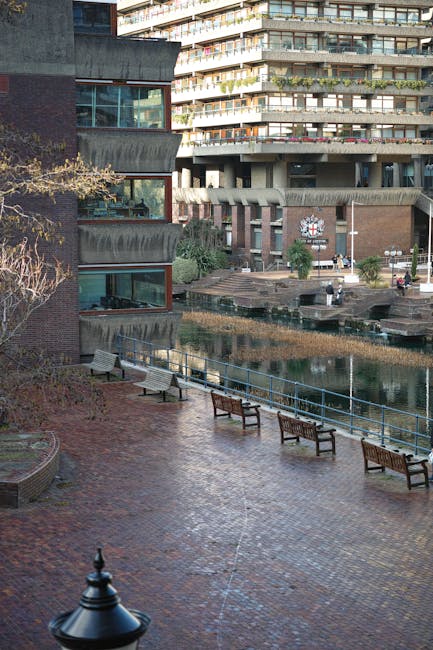
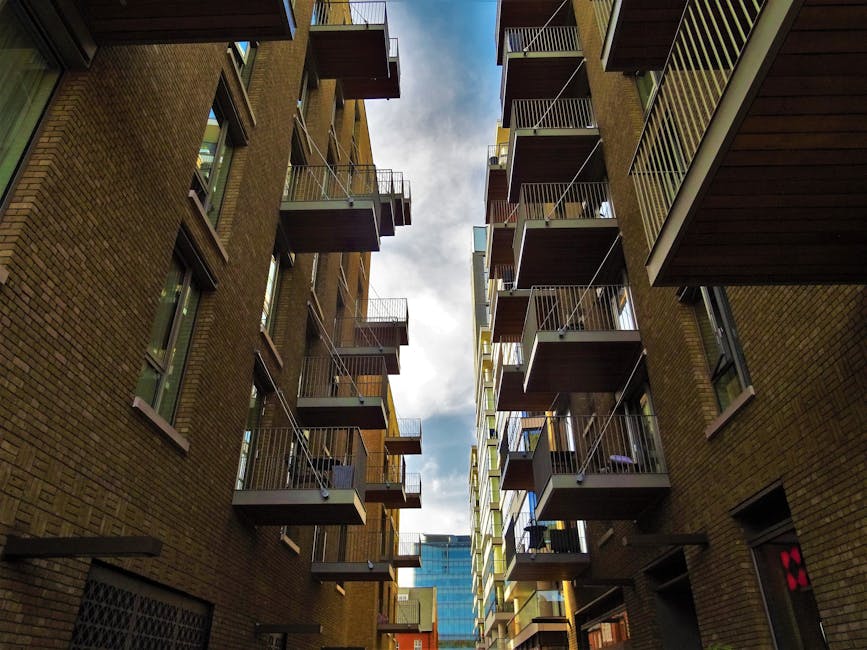
Courtyards near Limehouse Basin live with a different set of pressures than a standard front garden or suburban lawn. They are often enclosed by brick, glass, fencing, or neighbouring structures, which changes how light, moisture, and air move through the space. You get pockets of shade, sudden bright reflection, and sometimes very dry conditions under cover. Then, just when a plant seems comfortable, a gust can make the whole area feel exposed. Not ideal.
That is why a courtyard needs more than decorative planting. It needs design thinking. A good gardener reads the site first: where water pools after rain, which corners stay damp, which walls warm up in the afternoon, and where people actually walk. Those small observations shape everything from plant choice to container placement. To be fair, it is the difference between a courtyard that survives and one that feels curated.
In Limehouse Basin and the surrounding Ratcliff area, many courtyards also sit within shared residential developments. That means the finish matters. Neat edges, clean paving, low-profile planting, and reliable upkeep all contribute to the impression the space makes. For landlords, residents' associations, and homeowners, a tidy courtyard can quietly lift the value and usability of the property without shouting about it.
If you are planning a refresh rather than a full rebuild, it may help to think of the courtyard as a small outdoor room. Rooms need structure, zones, and a clear purpose. A seating area, a planting strip, a vertical feature, maybe a privacy screen. If you want ideas for calmer layouts, these zen garden concepts can be a useful starting point, especially for compact spaces where visual clutter quickly becomes a problem.
How Ratcliff gardeners for Limehouse Basin courtyards Works
The process normally begins with a site assessment. That sounds formal, but in practice it is a careful look at the real conditions of the courtyard: dimensions, drainage, access points, shade patterns, existing materials, and how much maintenance the space can reasonably handle. A courtyard that gets morning sun and late-afternoon shade will need very different planting from one that barely sees direct light at all.
From there, the work usually falls into a few stages:
- Clear and reset the space. Remove dead growth, weeds, debris, and anything that is blocking drainage or making the courtyard look tired.
- Check hard landscaping. Look at paving, edging, steps, decks, planters, and joints. Courtyards often fail visually because the hard surfaces are neglected, not because the plants are poor.
- Choose planting by microclimate. A shaded wall, wind-prone corner, or sheltered container will each support different plant types.
- Build structure. Add vertical elements, clipped shrubs, climbers, or raised planters so the space has shape even in winter.
- Set a maintenance rhythm. Courtyards reward consistency. Small, regular work usually beats occasional overhauls.
What does this look like in real life? Often, it is a modest reset rather than a dramatic transformation. One afternoon you are removing moss from paving and replacing tired pots; the next you are staggering heights with containers, adding evergreen structure, and suddenly the area feels twice as intentional. Small job, big difference. Funny how that works, isn't it?
For many courtyard projects, a combination of ongoing garden maintenance and specific services such as patio cleaning creates the most reliable result. That is especially true where hard surfaces dominate the space and need to look sharp year-round.
Key Benefits and Practical Advantages
The best courtyard gardening does more than make a space look nice. It changes how the space works day to day.
1. Better use of a small footprint
Courtyards cannot afford wasted space. Well-placed planting, vertical features, and clean circulation lines make the area feel larger and easier to use. A narrow corner can become a herb nook. A blank wall can carry climbers. A dead end can become a seat with a focal point.
2. More privacy without making the space feel closed in
In busy developments, privacy matters. But solid barriers can make a courtyard feel boxed in. Instead, use layered planting, slim hedges, climbing plants, or structured containers to create a softer screen. If privacy is one of your main concerns, it is worth looking at smart hedge ideas for compact gardens and pairing them with pruning that keeps the sightlines clean.
3. Lower maintenance when the design is sensible
People often assume more planting means more work. Not always. In small courtyards, the right mix of evergreen structure, containers, and a handful of resilient plants can actually reduce maintenance. A courtyard designed around good materials and sensible plants is much easier to keep tidy than one stuffed with fussy species.
4. Year-round visual value
Because courtyards are so enclosed, bare patches show quickly. Winter can make them feel stark. A good design keeps interest through the year with bark, evergreen foliage, pots, architectural shapes, and climbers that soften walls. If you are thinking about winter-proofing, a look at seasonal protection ideas can help you plan for the colder months rather than reacting to them later.
5. Better resilience in changeable weather
London courtyards do not get gentle treatment. Rain, wind, reflected heat, and shade can all appear in the same week. Planting with resilience in mind matters. A courtyard that is designed to handle weather shifts will usually look fresher for longer and require fewer rescue missions after a stormy spell. That is one less thing on your list, which is no bad thing.
Expert summary: A well-managed courtyard is not about chasing perfection. It is about building a space that can handle shade, exposure, and everyday use without falling apart visually. Good structure first, planting second, and maintenance all the way through.
Who This Is For and When It Makes Sense
This kind of gardening is a good fit for a wide range of property types in and around Limehouse Basin.
- Homeowners who want a private, attractive outdoor sitting area that feels usable rather than decorative only.
- Landlords and property managers who need the courtyard to look clean, safe, and presentable for residents or viewings.
- Residents in apartment developments where a shared courtyard needs routine care and a consistent standard.
- Busy professionals who want a low-fuss outdoor space that does not demand constant attention.
- Families who need a safer, tidier courtyard with durable planting and clear surfaces.
It also makes sense when a space is not necessarily broken, but simply underperforming. You know the sort of courtyard: a few tired planters, some weeds in the joints, a bit of moss, maybe one or two plants that have never quite settled. Nothing dramatic. Just quietly disappointing. That is often the perfect time for a redesign or a maintenance reset.
If your courtyard is already planted but patchy, then simple upgrades can go a long way. Container swaps, improved soil, sharper pruning, and a few well-chosen evergreen climbers may be enough. For more ambitious refreshes, fresh garden makeover ideas can inspire a more confident redesign.
Step-by-Step Guidance
Here is a practical way to approach a courtyard project without getting overwhelmed.
Step 1: Measure the space and watch how it behaves
Do not start with plants. Start with the site. Note where light falls at different times of day, where water stays after rain, and which surfaces get slippery. Even a five-minute observation in the morning and another in late afternoon can reveal a lot.
Step 2: Decide the courtyard's main job
Ask a simple question: is this a place to sit, a route to pass through, a visual feature, or a bit of all three? The answer determines where furniture goes, how much planting you can accommodate, and whether you need more privacy or more openness.
Step 3: Reset the hard surfaces
Courtyards rely heavily on paving, decking, edging, and walls. Clean these first. A clean patio or deck immediately changes the feel of the space, sometimes more than planting does. If the surface is stained, slippery, or tired, services such as lawn mowing may not be relevant here, but decking services and patio cleaning often are, especially where the courtyard includes mixed materials.
Step 4: Build layers rather than one flat plane
Layering is what gives a small courtyard depth. Use taller features at the back, mid-height plants in the middle, and lower planting or gravel at the front. Climbing plants can be very helpful here because they lift the eye without stealing floor space. If you have a shady wall, evergreen climbers for darker areas can be especially useful.
Step 5: Use containers intelligently
Containers are not just decorative extras. In courtyards, they are often the main planting system. They let you control soil quality, move plants if conditions change, and create symmetry. If you want a practical overview, container gardening guidance is a strong place to start.
Step 6: Choose plants that match the conditions
This is where many projects go wrong. Sun-loving plants in shade sulk. Shade plants in exposed corners dry out. Courtyard planting often benefits from evergreen structure, tough perennials, ground cover, and a few seasonal accents rather than a single theme that has to perform all year.
Step 7: Put maintenance into the design
Think ahead. Can you reach the back of the planter? Is there room to water easily? Will leaves accumulate in corners? If maintenance feels awkward on paper, it will feel worse in wet January weather. That is the truth of it.
Step 8: Set a review schedule
Check the space every few weeks. Trim, deadhead, sweep, and adjust. Courtyards do not usually need heroic effort. They need attention before small issues become annoying ones.
Expert Tips for Better Results
These are the little things that tend to separate a decent courtyard from one that quietly impresses people every time they pass through.
- Use evergreen structure. Courtyards look bare very quickly in winter, so evergreen shrubs, climbers, and topiary-style forms help maintain shape.
- Keep the palette restrained. Three or four main colours usually work better than a riot of mixed tones. Smaller spaces can get noisy fast.
- Repeat materials. If you use timber, stone, or black metal in one area, echo it elsewhere to create coherence.
- Choose planters for root depth. Some courtyards fail because the pot looks great but is too shallow for healthy growth.
- Design for wind. Lightweight pots and tall, top-heavy plants can become a nuisance. Secure or group them sensibly.
One tip that gets overlooked: pay attention to the sound of the space. Courtyards can feel harsh if hard surfaces bounce sound around. Softer planting, climbers, and textured materials help reduce that echo. You notice it most when the area is quiet and somebody shuts a gate. Small thing, but it changes the atmosphere.
If the courtyard is meant to feel relaxing, you may also want to borrow from simple garden seating ideas and create a seat that feels integrated, not bolted on as an afterthought.
For busy sites, keep one maintenance principle in mind: make access easy. If the gardener can move comfortably around the space, the space will stay better for longer. If every task requires awkward stretching, fiddling, or moving things twice, care tends to slip. Happens all the time.
Common Mistakes to Avoid
Courtyard gardening mistakes are usually understandable, but they do add up.
Overplanting
It is tempting to fill every gap. Resist that urge. Plants need breathing room, and crowded courtyards start to feel messy surprisingly quickly. Leave space for circulation and future growth.
Ignoring drainage
Because courtyards are often paved or enclosed, water can pool in poor spots. Always check where runoff goes. If water lingers, plants suffer and surfaces become slippery.
Choosing plants for appearance alone
That gorgeous plant from the nursery may not cope with shade, wind, or limited root volume. Courtyards reward resilience more than romance, at least most of the time.
Forgetting seasonal changes
A space that looks fine in July can feel bleak in February. Build for year-round structure so winter does not undo the work.
Skipping routine cleaning
Weeds in paving joints, moss on slabs, and leaf build-up make even a planted courtyard feel neglected. If weeds are part of the problem, practical guidance such as weed control methods can help you understand the options before things get out of hand.
Making the space harder to maintain than it needs to be
Some courtyards become beautiful but impractical. If access is cramped or maintenance tasks are awkward, the standard will slowly drop. Keep the design honest. Pretty, yes. But usable too.
Tools, Resources and Recommendations
You do not need a shed full of specialist kit to keep a courtyard in good shape, but the right tools make the job cleaner and faster.
- Hand trowel and compact fork for container planting and soil refreshes.
- Bypass secateurs for precise pruning of climbers, shrubs, and dead growth.
- Stiff broom and leaf collector for regular sweeping of paving and decked areas.
- Watering can or hose setup suited to the site, especially where access is tight.
- Quality compost and mulch to improve container performance and moisture retention.
- Gloves and kneeling protection if the courtyard surface is unforgiving, which many are.
For people setting up a courtyard from scratch, it can help to read broad beginner advice too, because many of the basics still apply: soil, watering, pruning, spacing, and patience. A straightforward starting point is the beginner gardening basics guide.
If you want to improve the structure of walls and screens without taking up floor area, vertical planting is often worth exploring. Vertical gardening ideas are especially useful in courtyards where horizontal space is at a premium.
And if your space is mostly shaded, do not force sun-lovers into it. Shade-tolerant climbers, evergreens, and a few carefully chosen containers will usually outperform a lot of expensive mistakes. That sounds obvious. Still, it gets ignored more than you might think.
Law, Compliance, Standards, or Best Practice
For most residential courtyard projects, the main considerations are practical rather than heavily regulated, but there are still important best practices to follow. If you are working in a shared building, leasehold setting, or managed development, you should pay attention to access, safety, and any site-specific rules set by the property manager.
From a UK best-practice perspective, common sense matters a lot: safe tool use, clear walkways, stable planters, and tidy storage of materials. If work involves ladders, power tools, hedge cutting, or heavier landscaping tasks, a contractor should take health and safety seriously and explain what they are doing. That is one reason many property owners value a provider that openly shares its health and safety policy and insurance and safety information.
If you are comparing providers, it is also sensible to look at practical policies around payments, terms, and complaints handling. Not because you expect trouble, but because clarity early on saves awkwardness later. The pages on terms and conditions, payment and security, and complaints procedure are the kind of detail that tells you whether a business is organised or just winging it.
It is also worth checking trust and governance pages such as privacy policy, cookie policy, accessibility statement, and modern slavery statement if you want a fuller picture of how a company presents itself. None of that replaces good gardening, of course, but it does build confidence.
Options, Methods, or Comparison Table
Different courtyard approaches suit different needs. Here is a simple comparison to help you decide what fits best.
| Approach | Best for | Strengths | Trade-offs |
|---|---|---|---|
| Container-led design | Small or paved courtyards | Flexible, easy to refresh, good soil control | Needs regular watering and occasional replanting |
| Evergreen structure with accents | Year-round visual stability | Stays neat in winter, low visual clutter | Can look static if not varied carefully |
| Climber-focused screening | Privacy and vertical interest | Saves floor space, softens walls | Requires support and pruning discipline |
| Mixed hardscape and soft planting | Shared or premium courtyards | Balanced, polished, often easiest to live with | Needs good design coordination |
In practice, most successful courtyards combine at least two of these methods. A container-led scheme with one or two climbers is very common. Add a little structure and regular cleaning, and the whole place starts behaving better. Simple, but not simplistic.
Case Study or Real-World Example
Here is a realistic example based on the kind of courtyard work that comes up often in compact London settings.
A tucked-away Limehouse Basin courtyard had decent paving but felt unfinished. The planting was sparse, the back wall was bare, and one side caught cold wind while the other side stayed strangely dry under a balcony overhang. The residents wanted it to feel more welcoming without turning it into a high-maintenance jungle. Fair enough.
The solution was not a complete redesign. It was a sequence of small, practical changes. First, the paving was cleaned and the worst weeds were removed. Then the layout was simplified so there was a clear walking line and a defined sitting area. Tall containers were placed where they could create height without blocking movement. Evergreen climbers softened the plain wall, while lower, tougher planting filled the middle and front edges. A few matching planters created rhythm instead of visual noise.
The biggest change, interestingly, was not the plants alone. It was the sense of order. Once the space had a clear structure, everything else looked better. The courtyard felt calmer, easier to use, and much more finished. That is often the quiet win in small outdoor spaces: not drama, just a steady improvement that you notice every time you step outside.
If the goal is a sociable corner rather than a purely decorative one, pairing this sort of layout with ideas from enchanting seating area design can make the courtyard feel more inviting without adding clutter.
Practical Checklist
Use this before you begin, or as a quick review after the work is done.
- Have you measured the courtyard and noted its shade, light, and wind exposure?
- Is drainage working properly, with no persistent pooling?
- Are the hard surfaces clean, safe, and visually tidy?
- Do your plant choices match the actual conditions, not just the look you want?
- Have you built in evergreen structure for winter interest?
- Are containers stable, well-sized, and easy to water?
- Is there enough access for routine maintenance?
- Have you planned for weed control and leaf clearance?
- Does the layout still leave comfortable walking space?
- Do you have a realistic maintenance schedule?
Quick reminder: if a courtyard is hard to maintain, it usually will be harder next month, not easier. Design for the life you actually have.
Conclusion
Ratcliff gardeners for Limehouse Basin courtyards are about more than plant choices. They are about making a small, often tricky space feel balanced, durable, and pleasant to live with. In a courtyard, every detail matters a bit more: the surface underfoot, the shape of the planting, the way wind moves through the area, the amount of light a wall steals or reflects. Get those parts right and the space starts to work for you, not against you.
The most reliable approach is usually a thoughtful one: assess the site, simplify the layout, choose resilient planting, and keep the upkeep realistic. That is what gives you a courtyard that still looks good after a wet week, a windy morning, or a busy season of everyday use. And honestly, that is what most people are really after.
Get a free quote today and see how much you can save.
If you are ready to improve a courtyard in Ratcliff or around Limehouse Basin, start with a conversation, ask the practical questions, and make sure the plan suits how you actually use the space. A good courtyard should feel easy, almost effortless, even if a lot of care went into it. That kind of quiet success tends to last.
Frequently Asked Questions
What makes courtyard gardening different from ordinary garden maintenance?
Courtyard gardening deals with tighter space, stronger microclimates, and more visible hard landscaping. Because the area is small, each choice has more impact, so structure and maintenance matter more than scale.
Are Ratcliff gardeners for Limehouse Basin courtyards suitable for shaded spaces?
Yes, especially when the planting plan is built around shade-tolerant species, climbers, and evergreen structure. Shade is not a problem on its own; the problem is choosing the wrong plants for it.
How often should a courtyard be maintained?
That depends on the site, but many courtyards benefit from regular light maintenance rather than occasional heavy work. Small visits for sweeping, pruning, and weeding usually keep things in good shape.
Can a small courtyard still have privacy?
Absolutely. Privacy can be created with layered planting, climbers, screens, and well-placed containers. You do not need a solid wall to feel tucked away.
What are the biggest mistakes people make in courtyard design?
Overplanting, ignoring drainage, using the wrong species for the light conditions, and making the layout hard to maintain are the most common issues. Those problems are easy to avoid with a bit of planning.
Do courtyards need different care in winter?
Yes. Winter usually means more cleaning, less active growth, and a greater need for evergreen structure. It is also wise to protect pots and check for slippery patches on hard surfaces.
Is container gardening a good option for Limehouse Basin courtyards?
Very often, yes. Containers give you flexibility, help with soil control, and make it easier to rearrange the space. They are one of the most useful tools in a compact courtyard.
How do I know whether I need maintenance or a full redesign?
If the courtyard mostly works but looks tired, maintenance may be enough. If the layout feels awkward, drainage is poor, or the planting never seems to thrive, a redesign may be the smarter choice.
What should I ask before booking a gardener?
Ask about their experience with small urban courtyards, how they handle access and safety, what maintenance schedule they recommend, and whether they can explain the work in plain English. Clear answers usually tell you a lot.
Can hard landscaping and planting be improved together?
Yes, and that is often the best approach. Clean paving, tidy edges, and strong planting work together. If one is neglected, the whole courtyard feels unfinished.
How do I keep a courtyard looking good without spending constantly?
Focus on durable structure, repeat planting rather than one-off novelty purchases, and keep maintenance routine. A good design reduces long-term costs because it avoids constant fixes and replacements.
Where can I learn more about services and practical support?
You can explore broader options through the site's gardening services and related pages, or review the company information on the about us page before making a decision.